How to Find Reliable Contractors for Your Fix & Flip (Without Getting Burned)
More real estate investors go bankrupt from bad contractors than bad deals. Knowing where to look, what to ask, and how to structure payments is the key to surviving the rehab phase.
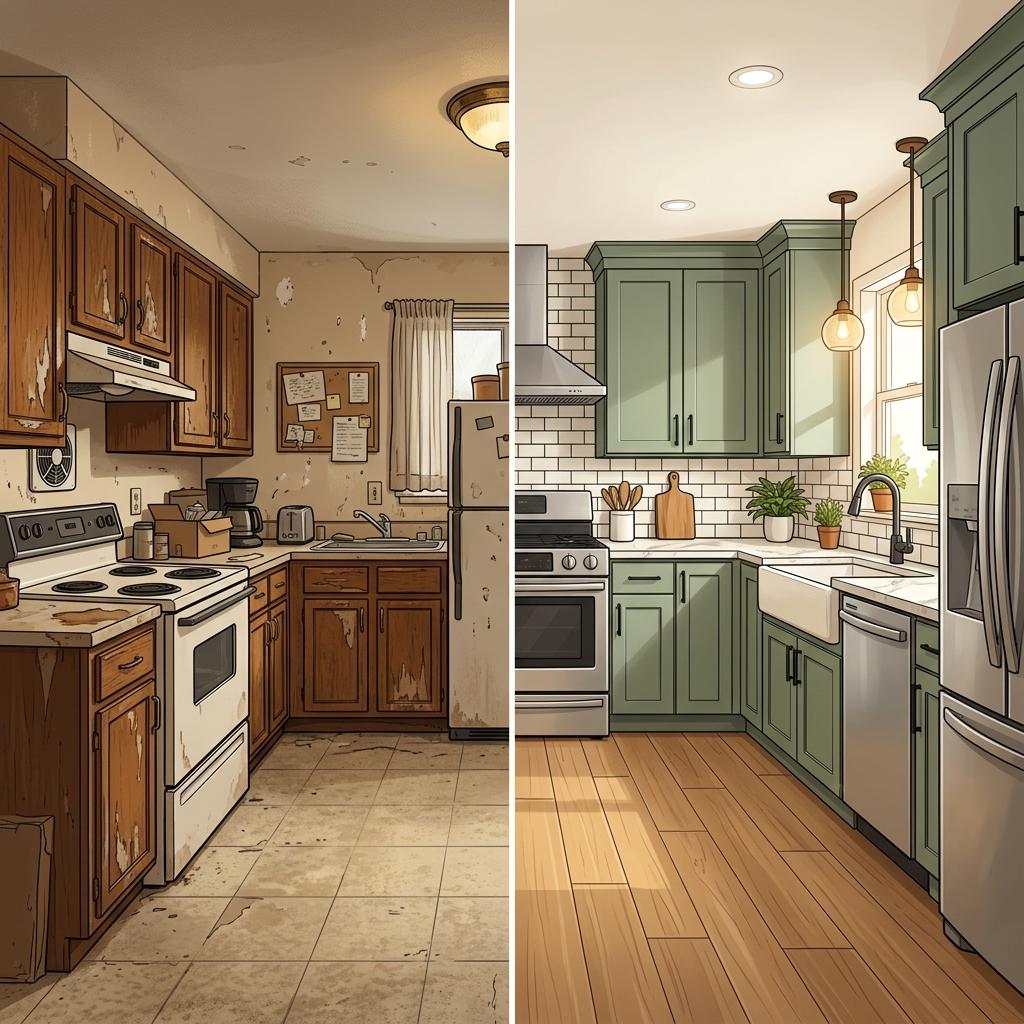
Contractors are the backbone of any fix and flip business. A good contractor will make you wealthy; a bad one will steal your capital, delay your project by months, and potentially force a foreclosure. Follow these rules to build a bulletproof list of vendors. For more insights, see BBB contractor verification.
1. Where to Look (And Where NOT to Look)
Do not use Craigslist. Do not hire the guy who knocked on the door of your un-renovated property offering a "discount." Your best sources for high-quality contractors are referrals from other active flippers, local Real Estate Investor Associations (REIAs), and the Pro Desk at your local Home Depot or Lowe's. The Pro Desk managers know who is buying materials consistently and paying on time.
2. Verify Credentials (Non-Negotiable)
Every contractor who steps foot on your property must provide two things before starting work: An active license (if required by your state for their specific trade) and a Certificate of Insurance (COI) listing you or your LLC as an additional insured. Require them to fill out a W-9 before they receive their first draw. If they refuse any of these three things, do not hire them.
3. The 3-Bid Rule
Never accept the first bid. Bring at least three contractors to the property to bid on an identical, highly detailed Scope of Work (SOW) that you have prepared. If you tell one contractor to "update the kitchen" and tell another to "install 42-inch shaker cabinets, granite slab, and subway tile backsplash," you cannot compare their bids accurately.
4. Never Front Massive Capital
The cardinal sin of house flipping is paying 50% or 100% of the job cost upfront. A legitimate contractor has credit accounts with supply houses. Standard procedure is paying a small mobilization fee (e.g., 10-15%) to start, and then paying in "draws" (increments) only *after* specific milestones of work are 100% completed and inspected by you.
5. Use the "Small Job" Test
Before handing a $50,000 whole-house rehab to a new contractor, test them on a smaller $2,000 - $5,000 project. Have them paint an exterior or replace a few windows. Observe their communication, punctuality, and job site cleanliness before trusting them with a massive budget.

Stop managing vendors with scattered emails and text messages. FlipLogic features a built-in contractor marketplace to search verified pros via our integrated network, and a robust CRM to securely store W-9s and insurance documents. Organize your vendor list today.