The Investor’s Checklist for Evaluating a Property Before You Buy
Emotions cloud judgment. Checklists do not. Use this step-by-step evaluation guide to systematically inspect any prospective deal and protect your profit margin.

Walking through a distressed property can be overwhelming. Some homes smell terrible, others are filled to the ceiling with trash, and the sheer amount of work needed can make you miss critical structural flaws. For more insights, see NAR property evaluation guidelines.
Professional investors don't just "look around." They use a systematic checklist to ensure every major system of the home is accounted for before making an offer. Here is the ultimate checklist for your next property walkthrough.
Phase 1: The Neighborhood (The Drive-By)
You can fix a house, but you cannot fix the neighborhood. Evaluate the surroundings before you even step out of the car.
- Are neighboring homes well-maintained?
- Are there excessive amounts of cars parked on lawns or junk in the yards?
- Is the house situated on a busy double-yellow line street? (This hurts resale value).
- Is the property adjacent to commercial zoning, gas stations, or railroad tracks?
Phase 2: The Exterior (Curb Appeal & Envelope)
A compromised exterior means water gets in, and water is the enemy of real estate.
- Roof: Are there missing shingles, sagging ridge lines, or moss growth? (Estimate age).
- Foundation: Walk the entire perimeter. Look for vertical, horizontal, or stair-step cracks in the foundation or brick veneer.
- Drainage: Is the ground sloping away from the foundation? Ensure gutters are intact and downspouts push water away from the house.
- Siding/Paint: Does it need a full scrape and paint, or a complete replacement?
- Windows: Are they modern double-pane or old single-pane drafty windows?
Phase 3: The Big Three Mechanicals (HVAC, Plumbing, Electrical)
These are the "invisible" costs that buyers expect to be perfect, meaning they offer very little ROI but cost thousands to replace.
- HVAC: Find the condenser unit outside and the furnace inside. Check the manufacturing dates on the stickers. Is the system older than 15 years?
- Electrical: Go to the breaker box. Is it at least 200 amps? Are there old fuse boxes or dangerous brands like Federal Pacific or Zinsco? Look at the outlets—are they 2-prong (ungrounded) or 3-prong?
- Plumbing: Look at the exposed pipes near the water heater. Are they copper, PEX, PVC, or outdated/dangerously corroded galvanized steel? Flush the toilets to check water pressure.
Phase 4: Cosmetic Evaluation (The Rehab Canvas)
This dictates your specific renovation budget and aesthetic plan.
- Layout: Is the floorplan closed off? Can you easily remove a non-load-bearing wall to create an open-concept kitchen/living area?
- Flooring: Are there original hardwoods under that ugly 1970s carpet that you can refinish? Or will you need all new LVP?
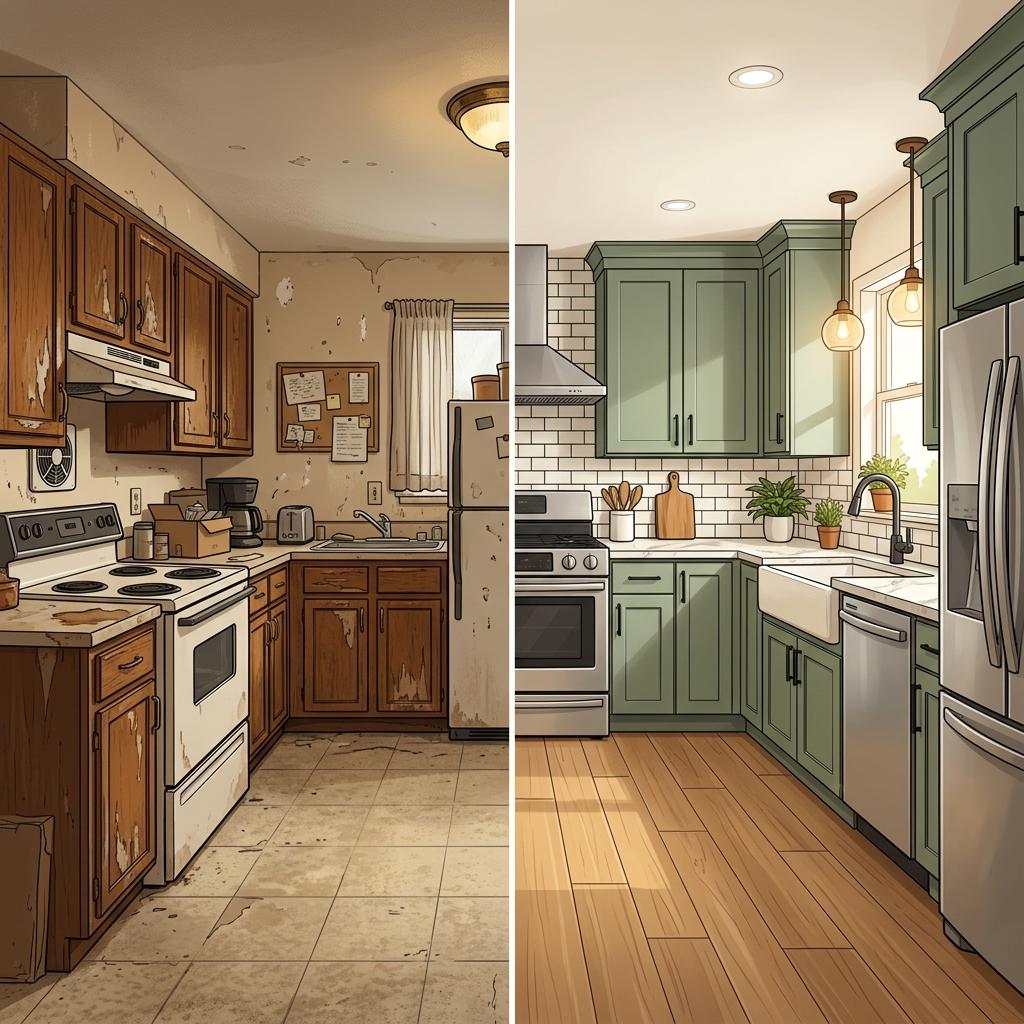
- Kitchen: Can the existing cabinet boxes be salvaged with new shaker doors, or is a full gut required?
- Bathrooms: Do you need to bust up the concrete foundation to move plumbing lines, or can you keep the existing footprint?
- Smell Test: Is there a strong presence of mold, pet urine, or smoke? (These require intense remediation, sealing, and ozone treatments).
Once you've walked the property, the next step is assigning dollar values to every checked box. FlipLogic provides intuitive, digital rehab estimators so you can build out an exact Scope of Work and Budget before you even leave the driveway.