What Makes a Good Fix & Flip Deal? (Deal Analysis Checklist)
Not every ugly house is a good investment. Whether you are a beginner or a veteran investor, you need a strict set of criteria to ensure maximum profitability.
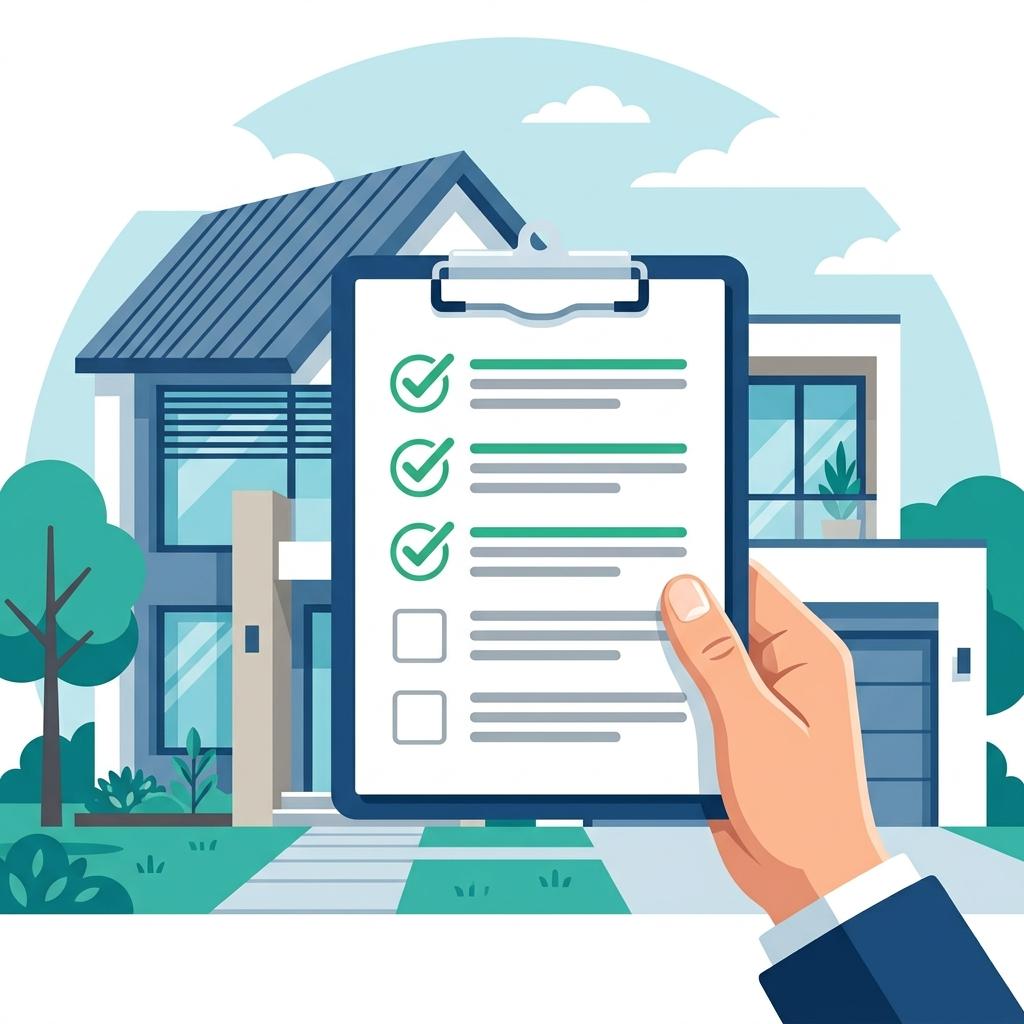
One of the most common reasons flippers lose money is that they let emotion override math. A house might look like a "fun project," but if it doesn't meet strict investment criteria, it's a liability, not an asset. Use this checklist to analyze your next deal. For more insights, see BiggerPockets deal analysis.
1. High Demand Neighborhoods
A beautifully flipped house in a declining neighborhood will sit on the market for months. Target areas with growing populations, good school districts, low crime rates, and easy access to amenities and transit.
2. The Right Extent of Rehab
The "sweet spot" for most investors is cosmetic rehab: new paint, flooring, updated kitchen counters/cabinets, and modernized bathroom fixtures. Structural damage, foundation issues, or total roof replacements carry higher risk and timeline delays.
3. Accurate ARV (After Repair Value)
A good deal has a rock-solid ARV supported by at least 3 to 4 very recent comps (sold within the last 90-180 days) located within a mile radius. Never base your ARV on active listings alone.
4. Sufficient Profit Margin (The 70% Rule)
As a baseline, the purchase price should not exceed 70% of the ARV minus the estimated rehab costs. This 30% buffer accounts for holding costs, closing costs, commissions, and your ultimate profit.
5. Functional Floor Plans
Weird layouts kill resale value. Avoid houses where you have to walk through a bedroom to get to a bathroom, or where the kitchen is entirely disconnected from the living space. Open floor plans remain incredibly popular.

Stop guessing if a deal meets these criteria. FlipLogic provides built-in deal analyzers that instantly show you projected profit margins. Start analyzing deals the right way.