How to Calculate ARV (After Repair Value) Like a Pro Using Real Data
If you want to know how to calculate ARV, you first have to understand that it is science, not art. Get the ARV wrong, and your flip is doomed from day one.

The After Repair Value (ARV) represents what a property will realistically sell for once it is fully renovated to standard market conditions. Inexperienced flippers often look at the highest priced house in a neighborhood and assume that is their ARV. This is incredibly dangerous.
Want to calculate your ARV right now? Use our free ARV calculator — enter your comps, adjust for condition, and get instant low/best/high estimates.
What Is ARV and Why It Matters
ARV stands for After Repair Value — the estimated market value of a property after all planned renovations are completed. It is the single most important number in any house flip. Every other calculation flows from it:
- Your maximum allowable offer (70% rule) depends on ARV
- Your profit projections are based on ARV minus total costs
- Your lender will use ARV to determine your loan amount
- Your exit strategy (sell vs. rent) depends on ARV vs. market rents
The ARV Formula
It sounds simple, but the "adjusted for differences" part is where amateurs fail. Here are the 5 rules professionals follow:
Rule 1: Use Only 'Sold' Data
Active listings show what sellers want, not what buyers are willing to pay. Pending listings are helpful, but sold listings (within the last 3-6 months) are the only absolute truth. If the market is shifting fast, prioritize comps from the last 90 days. According to the Appraisal Institute, recent sales are the most reliable indicator of market value.
Rule 2: Stay Within the Neighborhood Boundaries
Crossing a major highway, a railroad track, or entering a different school district can shift house values by $50,000+. Keep your comps within a 0.5 to 1-mile radius from your subject property, and respect hard geographical boundaries.
Rule 3: Match the Specs (Apples to Apples)
Your comps must match your subject property. Compare 3 bed/2 baths to other 3 bed/2 baths. Do not compare a 1,200 sqft ranch to a 2,500 sqft two-story colonial. Try to stay within a 15-20% variance in square footage.
Rule 4: Compare Condition
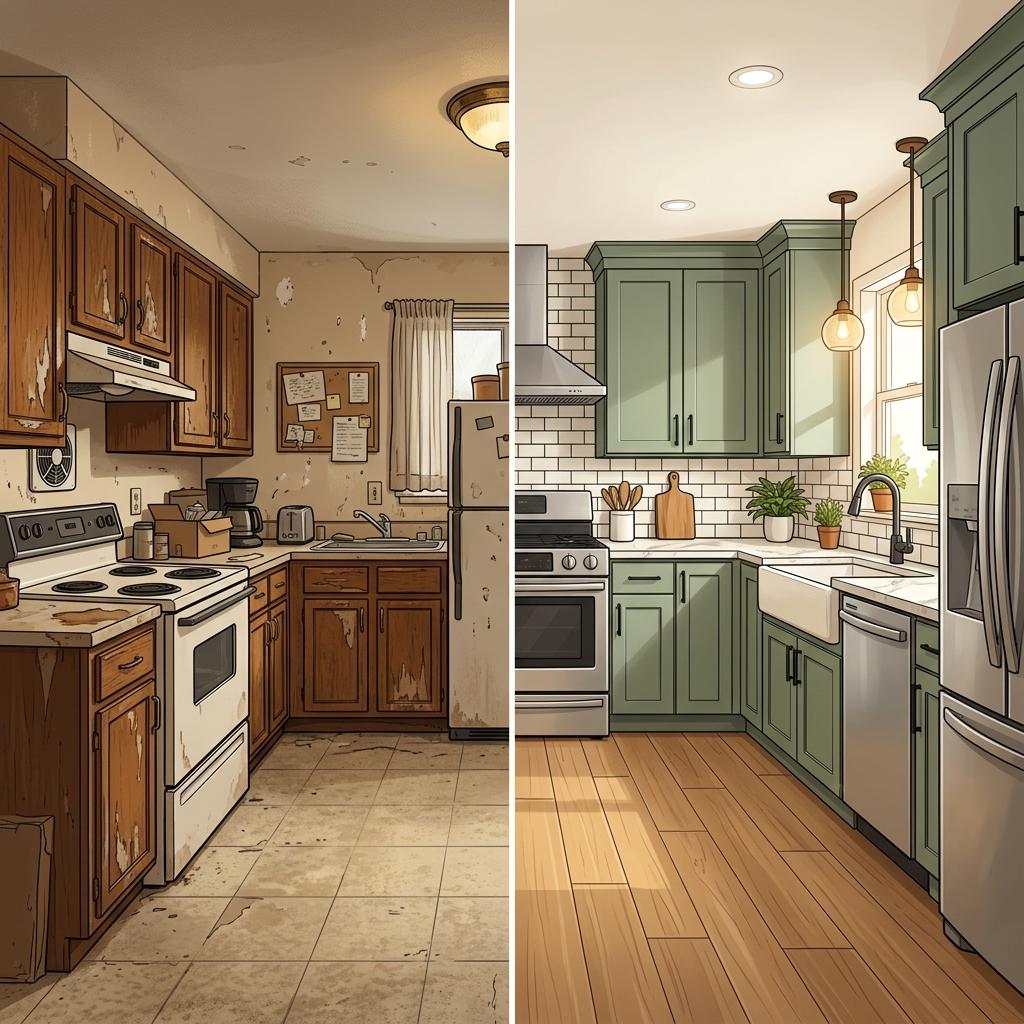
You cannot use a newly constructed house as a comp for a 1970s house you simply put lipstick on. Your target comps should represent the level of finish you plan to provide. If your comp has luxury appliances and a pool, ensure you adjust the value down if your subject property lacks these.
Rule 5: The Appraisal Approach
Once you are under contract with a retail buyer, a bank appraiser will verify your price. Think exactly like an appraiser. Use the exact same metrics they do so there are no surprises at closing.
Common ARV Mistakes That Kill Profits
- Using Zillow Zestimates as ARV — Zestimates can be off by 10-20%. They use algorithms, not local knowledge.
- Cherry-picking the highest comp — Averaging 3-5 solid comps is far more reliable than using the single highest sale.
- Ignoring market direction — A declining market means today's comps will be worth less by the time you sell in 4-6 months.
- Not adjusting for extras — Pools, extra garages, finished basements, and large lots all affect value and must be accounted for.
Once you have a solid ARV, the next step is estimating your rehab costs and running a full deal analysis using the 70% rule.
Don't want to spend hours cross-referencing sales data? FlipLogic aggregates real-time property data to help you synthesize an accurate ARV in a fraction of the time. Try FlipLogic free today.